



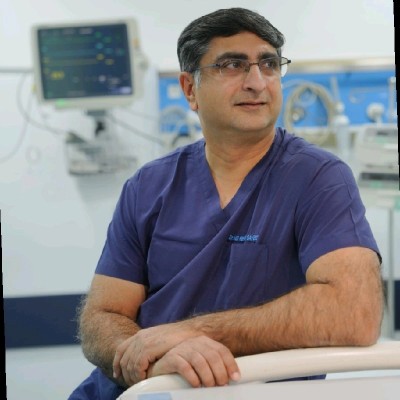

In 39 years of clinical dietetics practice, the most common mistake I see families make is attributing early protein deficiency to “just getting older.” The two things look remarkably similar on the surface. Both involve fatigue. Both involve a gradual slowing down. Both involve changes in physical capacity that happen so slowly they go unnoticed for months.
But they are not the same. Ageing is inevitable. Protein deficiency is correctable. And the gap between the two — the gap between inevitable and correctable — is where I spend a great deal of my clinical time.
This post is written for the son or daughter who is noticing that their parent is not quite the same as they were a year ago, and is not sure whether to be concerned.

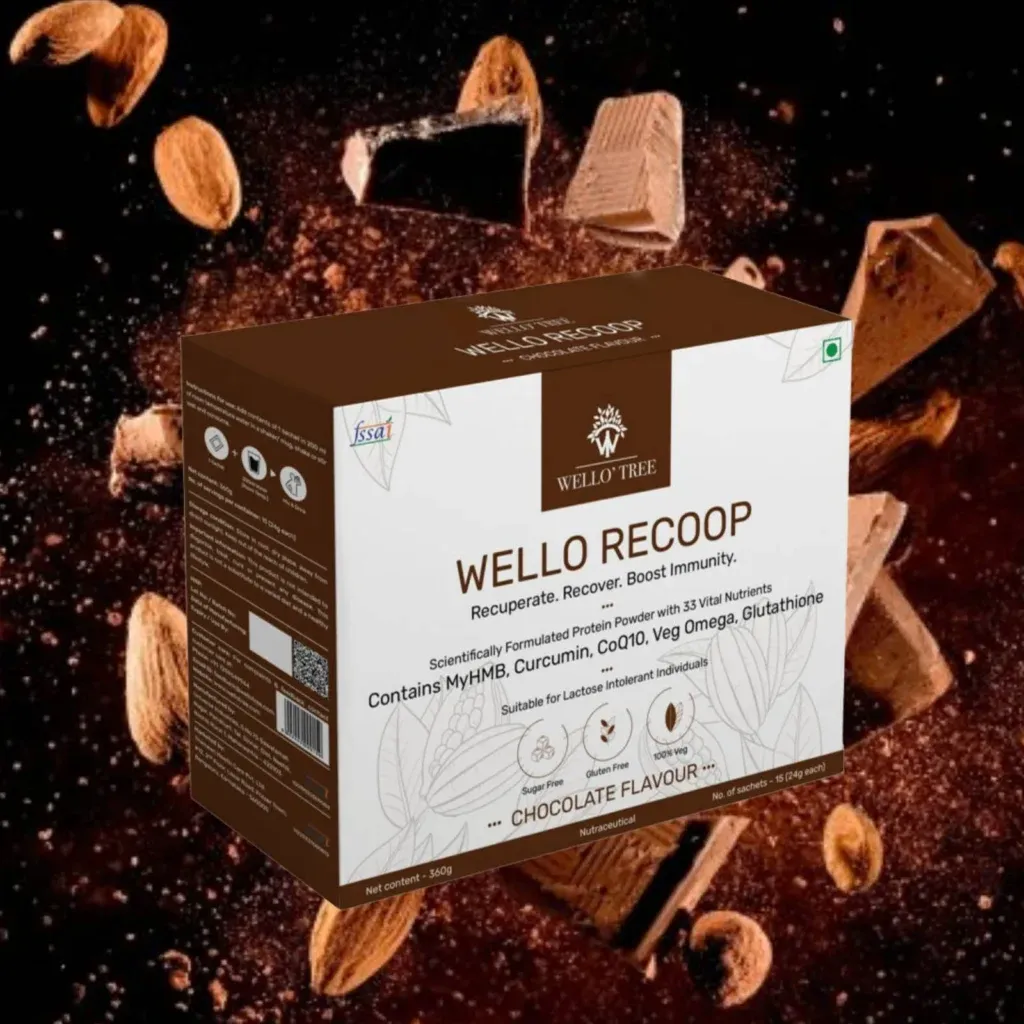
Wello Recoop is a diabetic-friendly, sugar-free recovery protein formulated with whey, pea, and brown rice protein plus HMB, CoQ10, curcumin, and probiotics.
The Signs That Come First
Walking pace that has slowed
This is one of the earliest and most consistently underestimated signs. In geriatric medicine, gait speed — simply how quickly someone walks — is used as a clinical assessment tool because it correlates so strongly with muscle mass and functional capacity. A study published in JAMA found that gait speed predicted survival in older adults better than many conventional medical measurements.
When a family member says “Amma walks much more slowly now,” they are often describing a real physiological change. The question is whether it is happening because of ageing-related sarcopenia — which can be slowed with appropriate nutrition — or because of something else. The first question to ask is: what has her protein intake been like for the past six months?
Difficulty rising from a chair without using hands
This seems like a minor thing. It is not. The ability to rise from a chair without pushing off with the arms requires a certain threshold of quadriceps strength. When that strength is lost, the person either cannot stand unassisted, or begins the unconscious adaptation of using their arms — which masks the weakness until it is considerably more advanced.
I ask every elderly patient’s family the same question at the initial assessment: can your parent get up from a standard chair without holding the armrests? The answer, for a large proportion of patients who are referred to me for weakness or fatigue, is no. And when I take a diet history, inadequate protein is present in almost every case.
Hair thinning that has accelerated
Hair thinning with age is normal and almost universal. But a noticeable acceleration in the rate of thinning — more hair on the pillow, more in the shower drain, a visible change in density over six to twelve months — can signal inadequate protein intake. Hair is keratin; keratin is protein. When the body is in a state of protein insufficiency, non-essential protein-dependent processes like hair production are deprioritised.
I see this predominantly in women over 65 who have reduced their food intake significantly — either because they live alone and cooking for one feels like too much effort, or because they have been following low-calorie diets for decades. The hair change is not the primary clinical concern, but it is a visible signal that the protein economy of the body is under stress.
Oedema — swelling in the feet and ankles
This is one of the signs that families most consistently miss or explain away. Mild swelling in the feet and ankles in an elderly person can have several causes, but one of the most clinically significant and least recognised is hypoalbuminaemia — low blood albumin from chronic protein deficiency.
Albumin is a protein produced by the liver. It maintains the oncotic pressure that keeps fluid in the blood vessels rather than leaking into surrounding tissue. When protein intake is chronically inadequate, albumin levels fall, oncotic pressure drops, and fluid accumulates in the dependent tissues — the feet and ankles being the most obvious location.
Many families I see have attributed this swelling to “kidney problems” or “heart problems” — sometimes correctly, sometimes not. A simple blood test for serum albumin can distinguish protein-related oedema from other causes. A level below 3.5 g/dL is considered low; below 3.0 g/dL is clinically significant hypoalbuminaemia.
Wound healing that is noticeably slower
Minor cuts, grazes, and skin tears that would once have healed within a week taking two or three weeks instead. Pressure sores forming quickly. Skin that bruises easily and does not recover. All of these reflect inadequate protein available for tissue repair and regeneration.
In elderly patients with chronic protein deficiency, the skin itself changes — it becomes thinner, more fragile, and loses the subcutaneous fat that previously cushioned it. This is particularly concerning in bedridden or mobility-limited patients where pressure sore risk is already elevated.
The Signs That Come Later
If the early signs go unaddressed, the deficit deepens. Muscle wasting becomes visible — the hollowing of the temples, the flattening of the calf muscles, the prominence of the collarbone. This is sarcopenia in its more advanced form, and at this stage the functional consequences are significant: falls risk increases substantially, immune competence is compromised, and the body has less reserve capacity to handle any additional stress like an illness or surgical procedure.
The difficulty at this stage is that the intervention required is also more intensive. Early protein deficiency corrects relatively quickly with adequate supplementation and dietary adjustment. Advanced sarcopenia requires a longer intervention period and does not fully reverse even with optimal nutrition.
Why This Keeps Getting Missed
The clinical system is not set up to catch protein deficiency early in elderly patients. A routine GP visit does not typically include a dietary history. Serum albumin is not part of most routine panels unless there is already a suspected problem. The symptoms are non-specific — fatigue, weakness, and slow walking pace are associated with dozens of conditions. And there is a deeply embedded cultural assumption in Indian families that these are just signs of old age.
The result is that by the time protein deficiency is identified clinically, it has usually been present for months or years. The intervention becomes corrective rather than preventive.
What families can do is notice the early signs and ask the question earlier: is this parent eating enough protein? A registered dietitian can do a proper dietary assessment and give a clear answer. If the assessment reveals a gap — which in most elderly Indian vegetarians it will — a targeted plan combining dietary changes and supplemental support can be started before the loss becomes clinically significant.
This is exactly the population Wello Recoop was designed for — adults over 50 who are not in acute medical crisis but whose dietary protein intake is quietly insufficient. A single sachet providing a blend of whey, pea, and brown rice protein alongside micronutrient support can meaningfully close the gap without requiring the person to eat volumes of food their reduced appetite cannot support. Protein Needs for Elderly Indians
When to Seek Professional Assessment
If you are noticing two or more of the signs described above in an elderly family member — slowed gait, chair-rise difficulty, new oedema, hair changes, slow wound healing — ask for a serum albumin test and a dietary assessment. These are simple, non-invasive starting points. If albumin is low and the diet history reveals inadequate protein, the path forward is clear: increase protein intake, address any barriers to eating (dental issues, medication side effects, social isolation), and consider a quality supplement during the correction period.

Available in Chocolate and Mango flavours
FAQs
Early signs include slowed walking pace, difficulty rising from a chair without using arms, hair thinning that has accelerated, mild swelling in the feet and ankles (from low albumin), and slower wound healing. These are often dismissed as normal ageing but may reflect inadequate protein intake.
A serum albumin blood test is a useful starting point — levels below 3.5 g/dL suggest protein insufficiency. A dietary assessment with a registered dietitian can identify whether current food intake meets protein needs. Both tests together give the clearest picture.
Reduced appetite (very common after 70), dental problems that make high-protein foods harder to chew, medication side effects that suppress hunger, social factors (cooking for one is less motivating), and a diet heavy in carbohydrates and light on protein-dense foods all contribute.
Yes. Low blood albumin from protein deficiency reduces oncotic pressure in the blood vessels, allowing fluid to leak into surrounding tissue. This most visibly affects the feet and ankles. A serum albumin test can confirm whether protein-related hypoalbuminaemia is a contributing cause of the oedema.
Most geriatric nutrition guidelines recommend 1.0 to 1.2 grams of protein per kilogram of body weight per day for healthy older adults, rising to 1.2 to 1.5 grams in those with illness, recent hospitalisation, or visible signs of muscle loss. These amounts are significantly higher than the ICMR general adult RDA of 0.8 grams per kilogram.