



Almost every recovery nutrition guide I have come across is written with a chicken breast and a cup of broccoli in mind. The Indian patient going home after surgery does not have chicken breast in the kitchen. They have dal and rice and the idli batter their daughter made last evening. They have paneer in the fridge and a packet of curd. They have ragi flour someone brought from their village, which has been sitting in the shelf since Pongal.
Recovery nutrition, for the Indian household, needs to start from what is actually there.
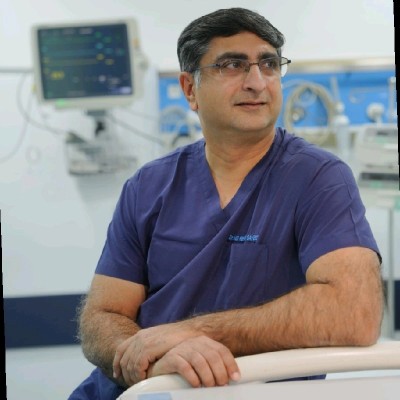
I have been practising clinical dietetics for 39 years. Most of that time has been spent in the real world of what people eat, not in the world of what textbooks say they should eat. The Indian diet, properly understood and strategically used, can support good surgical recovery. But it requires knowing what to emphasise, what to increase, and where the gaps are most likely to appear.

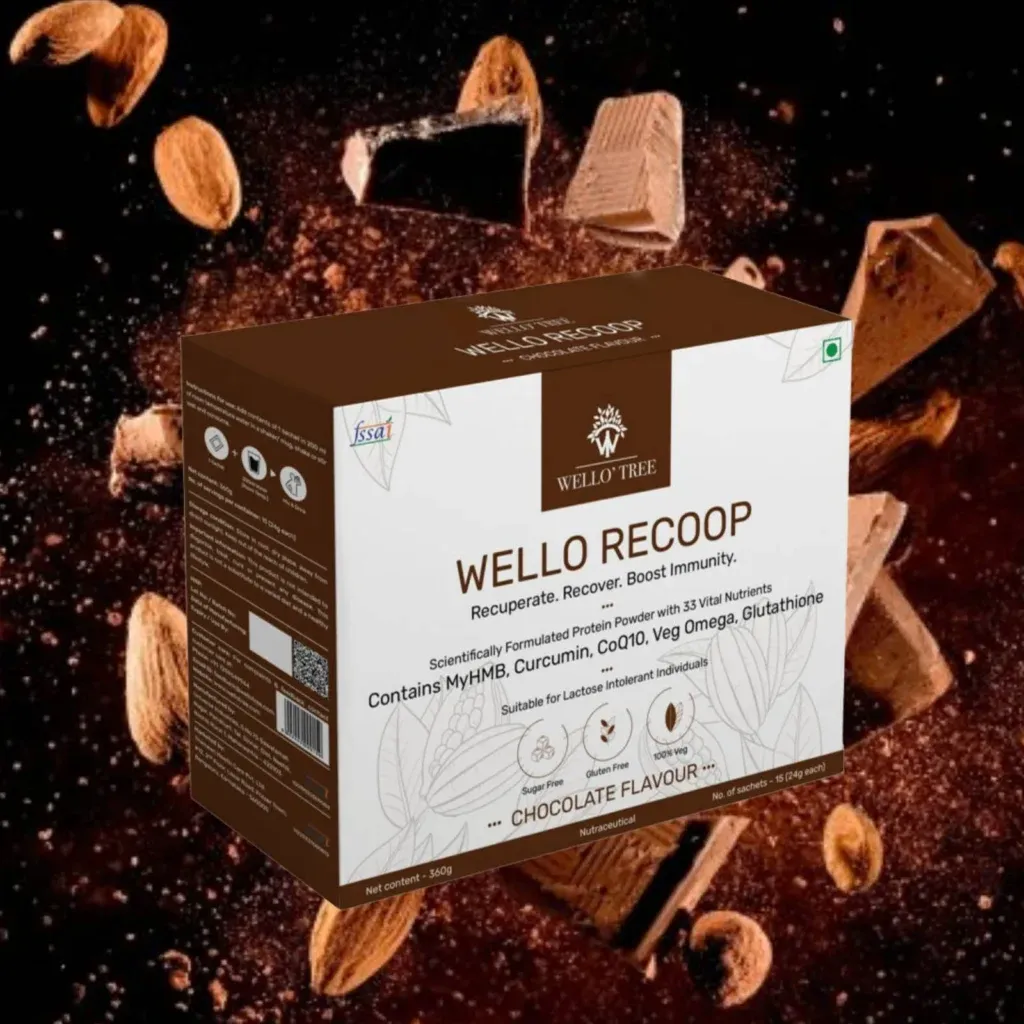
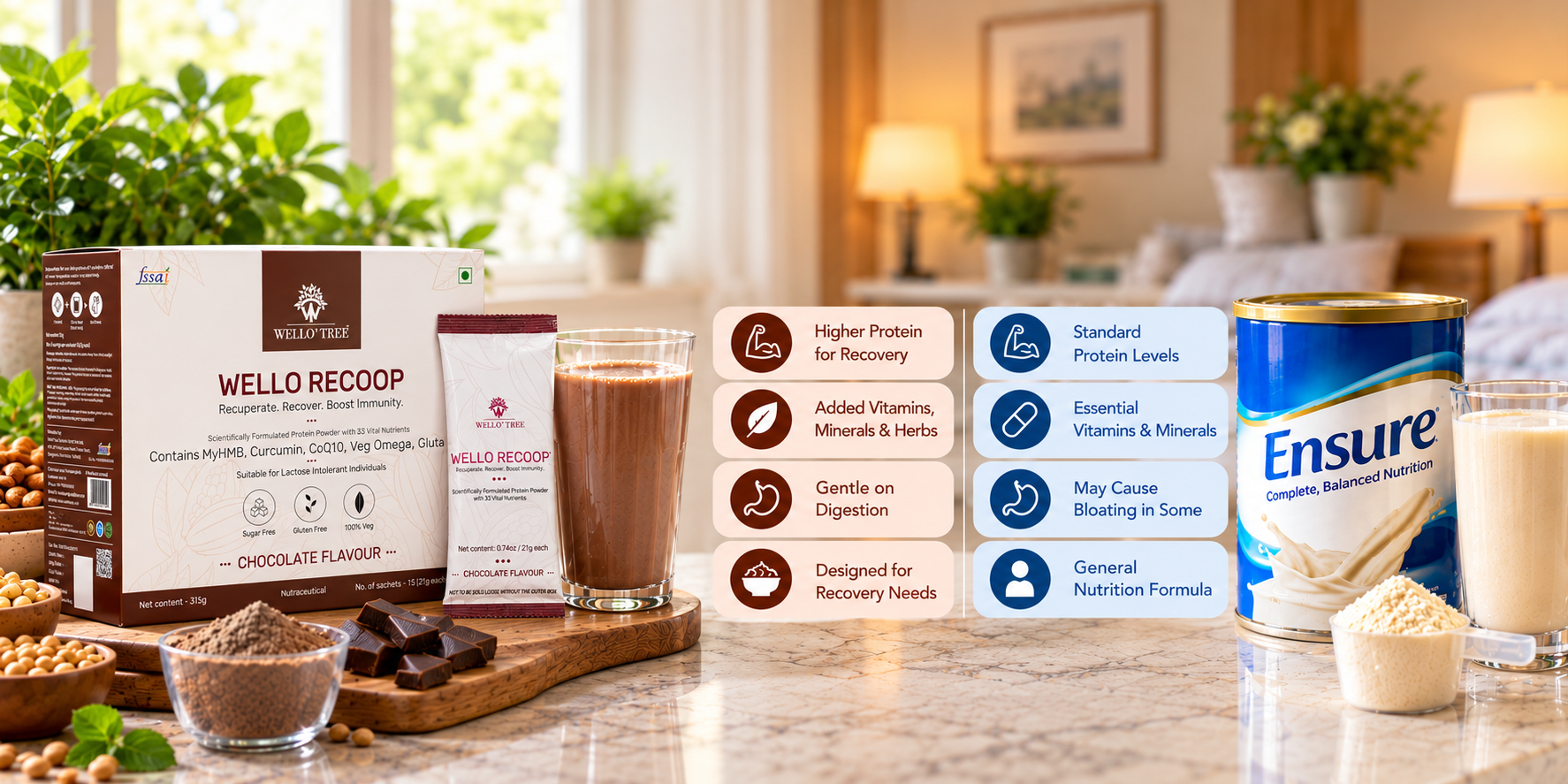
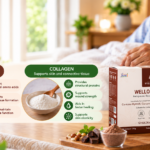
Wello Recoop is a diabetic-friendly, sugar-free recovery protein formulated with whey, pea, and brown rice protein plus HMB, CoQ10, curcumin, and probiotics.
What the Recovering Body Actually Needs
Before getting into food lists, it is worth anchoring on the nutritional priorities. Protein is the primary rebuilding material — for tissue repair, wound healing, and muscle preservation. The post-surgical target is typically 1.2-1.5 g of protein per kilogram of body weight per day. Alongside protein, zinc and vitamin C are essential for wound healing specifically. Iron and B12 matter if there was significant blood loss or if the patient has any pre-existing anaemia. Digestive comfort is also a real issue in the early weeks — constipation from pain medications, sluggish gut from anaesthesia, reduced appetite from the stress response itself.
The Indian diet is not bad for any of this. It is sometimes under-emphasised in the wrong direction.
Protein Sources That Actually Work in the Indian Kitchen
Moong dal is where most Indian recovery diets start, and with good reason. It is easy to digest, gentle on a recovering gut, and provides around 7-8 grams of protein per 30 grams of dry dal — which becomes roughly a standard serving when cooked. Whole moong, sprouted, is better still: the sprouting process reduces antinutrients, improves bioavailability, and adds vitamin C, which matters for iron absorption and wound healing simultaneously. A bowl of sprouted moong salad at lunch — lightly steamed, with lemon and a pinch of sendha namak for a sodium-restricted patient — is a solid recovery meal that feels nothing like a medical diet.
Paneer is arguably the most efficient protein source in the vegetarian Indian kitchen: roughly 18-20 grams of protein per 100 grams, with a texture that can be adjusted from soft (crumbled, easily chewed) to firmer as the patient recovers. Soft paneer bhurji with minimal oil, or paneer in a thin curry, is genuinely high-protein and digestible.
Curd (dahi) provides not just protein but probiotics — which matter for gut health after a course of antibiotics, which most post-surgical patients have received. Even 150-200 ml of curd at lunch or as a late afternoon snack contributes 5-6 grams of protein and helps restore gut microbiome balance.
Eggs, for those who eat them, are simply the highest bioavailability complete protein in the kitchen. Soft-boiled or scrambled with minimal oil. Two eggs at breakfast adds 12-13 grams of complete protein with excellent leucine content — the amino acid most important for stimulating muscle protein synthesis. Whey vs Plant Protein for Recovery
Ragi, the Underused Recovery Grain
Ragi (finger millet) deserves a specific mention because it is often dismissed as “old food” or something only for diabetics. But its nutritional profile is genuinely useful in recovery: calcium content higher than most grains, some protein, significant dietary fibre, and iron. Ragi kanji — thin, warm, slightly thinned with water or diluted milk — is easy to consume when appetite is low, digests well, and provides sustained energy without the glucose spike of refined rice or white bread.
A recovering patient who cannot face a full meal but can manage a cup of warm ragi kanji in the morning is getting something genuinely nourishing rather than just comfort. That distinction matters in the first two weeks post-surgery when every meal is a negotiation with fatigue and appetite suppression.
Structuring the Day When Appetite Is Low
The practical challenge in post-surgical Indian kitchens is not ingredient availability — it is meal structure. Three large meals work for healthy people. They do not work well for someone recovering from surgery whose stomach is sluggish, whose appetite is suppressed, and who tires easily from eating.
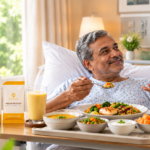
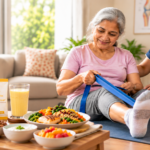
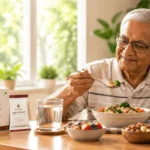
Five to six small meals, each with a protein anchor, is a better structure. The protein anchor does not need to be large — a small bowl of sprouted moong, half a cup of curd, two tablespoons of paneer, a boiled egg, a small serving of dal — but it should be present at each eating occasion. The pattern prevents the body from going long stretches without amino acid availability, which is when muscle breakdown continues unchecked.
Morning: ragi kanji or a soft idli with sambar (sambar made with toor dal, not just a flavoured water). Mid-morning: a cup of curd or buttermilk. Lunch: dal and rice with a portion of paneer or egg. Afternoon: a small bowl of sprouted moong or a handful of roasted chana. Evening: thin soup made from lentils or bone broth (for non-vegetarians). Dinner: khichdi with added moong dal and a soft vegetable.
This is not exotic. This is the Indian kitchen used deliberately.
Where the Gaps Usually Are
The most common gaps I see in post-surgical Indian diets are zinc, vitamin B12 (for vegetarians especially), and total protein when appetite is low. These gaps are hard to close through food alone when the patient is eating reduced amounts. This is where a targeted supplement makes clinical sense — not to replace food, but to catch what food is missing when portions are smaller than they should be.
Wello Recoop is formulated with these gaps in mind — protein from multiple sources, HMB, zinc and a broad micronutrient base, with no added sugar and a formulation specifically considered for diabetic and elderly patients who cannot simply take a fitness protein shake designed for 25-year-olds at the gym.
What to Be Cautious About
Processed foods, fried foods, and foods high in saturated fat remain worth limiting — not because fat is inherently bad in recovery, but because these foods provide calories without the nutrients that matter, and because they can worsen inflammation. White rice in large amounts without protein alongside it causes glycaemic swings that do not serve a recovering patient well. Excess salt is relevant for cardiac and renal patients. Heavy, oil-laden gravies are hard on a sluggish post-anaesthetic gut.
These are not permanent dietary restrictions for life. They are practical considerations for the recovery window.

Available in Chocolate and Mango flavours
FAQs
Yes. Dal and rice together form a complementary protein pair that provides a reasonable amino acid profile. The key is ensuring the dal portion is adequate and not diluted — a thin watery dal alongside a large serving of rice does not give you the protein you need. Increase the lentil portion and ensure protein accompanies every meal.
Yes, curd is a genuinely useful recovery food. It provides protein, probiotics for gut health post-antibiotics, and calcium. For patients who have been on broad-spectrum antibiotics during hospitalisation, regular curd consumption helps restore the gut microbiome. Room temperature or slightly warm curd is more comfortable for most post-surgical patients than cold curd straight from the refrigerator.
Rice does not need to be eliminated. The concern is the ratio of rice to protein at a meal. A meal that is mostly rice with minimal dal or paneer leaves protein intake inadequate. Balanced is better than restricted: enough rice for energy, with substantial protein alongside it.
Paneer (about 18-20 g per 100 g), eggs (about 6 g each, with high bioavailability), sprouted moong (about 3-4 g per 100 g cooked, with better bioavailability than unsprouted), and thick toor or masoor dal are the most efficient protein sources in the Indian kitchen for recovery.
Small, frequent, protein-anchored meals rather than three large meals. Nutrient-dense liquids like dal soup, thin ragi kanji, and buttermilk help when solids are not manageable. If appetite suppression is severe and persistent beyond 10-14 days post-discharge, a dietitian review is warranted — it may indicate an underlying issue rather than simple recovery-phase appetite reduction.
Leave a Reply
You must be logged in to post a comment.