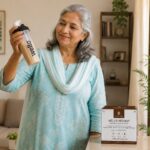


The best protein powder for elders is one that combines high biological value, easy digestibility, and a leucine-rich amino acid profile to actively trigger muscle protein synthesis. With advancing age, the body’s ability to build and preserve muscle from dietary protein declines — making protein intake not just a dietary consideration, but a clinical necessity. Whey protein stands out for its rapid absorption and high leucine content. A dual protein formulation combining whey with plant protein provides both fast and sustained muscle support, making it the most clinically complete option for older adults — particularly those with reduced appetite or elevated protein needs during recovery.
Protein is not simply a dietary component for older adults — it becomes a clinical necessity. With age, muscle protein synthesis declines, making it progressively harder to maintain muscle mass and strength even with normal food intake. This decline is central to sarcopenia and directly affects mobility, independence, and recovery outcomes. Choosing the right protein powder for elders — or the right food sources — is one of the most impactful decisions in healthy aging nutrition.
Why Protein Requirements Increase With Age
Aging changes not just how much protein the body needs, but how efficiently it uses what it receives.
- Reduced anabolic response: The aging body becomes less responsive to dietary protein — meaning older adults need more protein to achieve the same muscle-building stimulus as younger individuals.
- Practical barriers to intake: Reduced appetite, dental challenges, slower digestion, and chronic illness all lower actual protein consumption precisely when requirements are rising.
- Increased demand during illness and recovery: Post-surgical or illness periods can raise protein requirements by 25–50% above baseline — a gap very difficult to meet through food alone.
- The quality gap: The focus must shift from quantity of protein to quality, digestibility, and consistency — precisely where a well-formulated protein powder for elders adds the most value.
Best Protein Sources for Elderly Individuals
The ideal protein source for an older adult is high in biological value, easy to digest, and practical to consume consistently every day.
- Eggs — the most complete whole food protein: Excellent amino acid profile, minimal digestive burden, and highly versatile. One of the most bioavailable protein sources available. [~6g protein per egg · High in leucine · Soft texture]
- Fish and chicken — lean, complete, and easily prepared: Both provide high-quality protein with a favourable amino acid profile. Soft-cooked fish is ideal for elders with dental or swallowing challenges. [Salmon, mackerel, sardines · Grilled or steamed chicken]
- Dairy — whey, paneer, curd, and Greek yogurt: Dairy proteins are among the highest-quality sources. Greek yogurt offers protein alongside probiotics. Whey is the gold standard protein powder for elders. [Paneer · Greek yogurt · Whey protein · Milk & curd]
- Plant proteins — lentils, legumes, and soy: Valuable for vegetarian and vegan elders. Individual plant sources are often incomplete — combining sources (dal + rice) creates a full amino acid profile. [Lentils & dal · Chickpeas & rajma · Tofu & soy · Nuts & seeds]
- Dual protein powder for elders — whey + plant: A formulation combining whey (fast-absorbing) with plant protein (sustained release) provides a complete, clinically superior protein profile. [Fast + slow absorption · Complete amino acid profile · Easy when appetite is low]
How Much Protein Does an Elderly Person Need?
Protein requirements in older adults are meaningfully higher than standard dietary guidelines suggest.
Daily protein targets for older adults:
| Healthy adults 60+ | 1.0–1.2g/kg/day | During illness/recovery | Up to 1.5g/kg/day |
| Per meal (optimal) | 20–30g × 3 meals | Protein powder for elders | 1 serving when food is insufficient |
- Distribution matters as much as total intake: Spreading protein evenly across three meals improves absorption and utilisation far more effectively than consuming most in a single meal.
- Leucine threshold: Each meal should ideally contain at least 2.5–3g of leucine to reliably trigger muscle protein synthesis — achievable with eggs, whey, fish, or a quality protein powder for elders.
- Post-activity timing: Consuming protein within 30–60 minutes of resistance exercise or light physical activity significantly improves muscle protein synthesis in older adults.
How to Choose the Right Protein Powder for Elders
Not all protein supplements are formulated with the clinical needs of older adults in mind. Here is what to look for.
- High biological value: Choose a protein powder for elders that includes whey, egg, or a complete plant blend. Biological value reflects how efficiently the body absorbs and uses the protein.
- High leucine content: Leucine is the amino acid most directly responsible for triggering muscle protein synthesis. Whey protein is the richest natural source.
- Low sugar and clean formulation: Many commercial supplements contain high sugar or fillers. For elderly individuals managing diabetes or metabolic conditions, a low-sugar clinically balanced formulation is essential.
- Easy digestibility: A protein powder for elders should be gentle on digestion. Whey isolate and partially hydrolysed proteins are generally the most tolerable for older digestive systems.
- Additional clinical ingredients: Formulations combining protein with myHMB, CoQ10, and curcuminoids provide more comprehensive support than protein alone. [myHMB · CoQ10 · Curcuminoids · Dual whey + plant]
- Practical compliance: The best protein powder for elders is one that is easy to prepare, palatable, and fits naturally into existing meal habits — because consistency determines outcomes.
Practical Ways to Improve Daily Protein Intake
Consistency of protein intake across the day matters more than any single high-protein meal.
- Add protein to every meal: Dal at lunch, eggs at breakfast, curd or paneer at dinner. This ensures the body receives a steady amino acid supply for muscle maintenance throughout the day.
- Use smoothies and shakes for low-appetite days: A protein powder for elders blended with milk delivers 20–25g of protein without the effort of eating a full meal — important during illness or poor appetite phases.
- Pair protein with light activity: Even a 10-minute walk before a protein-containing meal significantly improves how the body utilises that protein for muscle repair.
- Soft-texture options for dental or swallowing challenges: Scrambled eggs, soft fish, dal soup, curd, and blended protein shakes allow elderly individuals to meet protein targets without discomfort.
Protein Sources for Elders: At a Glance
| SOURCE | PROTEIN QUALITY | BEST FOR | PRACTICAL NOTE |
|---|---|---|---|
| Whey protein ★ Best | Complete — high BV, leucine-rich | Daily supplement, post-exercise, low appetite | Fastest absorbing; ideal protein powder for elders |
| Dual whey + plant ★ Best | Complete — fast + sustained release | Recovery, illness, consistent daily use | Most clinically complete protein powder for elders |
| Eggs | Complete — excellent BV | Breakfast, daily staple | Soft-cook for easy consumption |
| Fish | Complete — high leucine | Lunch or dinner, 3–4x per week | Steamed or soft-cooked is easiest to eat |
| Paneer / curd | Complete dairy protein | Daily inclusion, vegetarian diet | Greek yogurt adds probiotic benefit |
| Dal + rice | Complete when combined | Vegetarian / plant-based diet | Combine sources at the same meal |
Frequently Asked Questions
The best protein powder for elders is a dual formulation combining whey protein (fast-absorbing, leucine-rich) with plant protein (sustained release). Whey alone is also an excellent choice. Avoid high-sugar formulations and look for clean, clinically validated ingredients.
Elderly individuals require 1.0–1.2g of protein per kg of body weight per day. During illness or recovery, this increases to up to 1.5g/kg. Protein should be distributed evenly — 20–30g per meal — across three meals for optimal absorption.
Yes. Whey protein is widely recommended for elderly individuals due to its ease of digestion, rapid absorption, and high leucine content. It is particularly useful when appetite is low or dietary protein intake is insufficient.
Yes, but combining different plant protein sources is essential to ensure a complete amino acid profile. Pairing sources (dal + rice, or a mixed plant protein powder for elders) creates a complete profile. A plant + whey combination is most clinically comprehensive.
Protein should be distributed across all three meals. Taking a protein powder for elders at breakfast or within 30–60 minutes of light physical activity maximises effectiveness for muscle protein synthesis. Avoid saving most of daily protein for dinner.