

73% of Indian diets are protein deficient — including 64% of non-vegetarians. Protein is the one nutrient the body cannot store, cannot substitute, and cannot function without. Whether the goal is muscle recovery after surgery, managing sarcopenia with age, or simply maintaining daily strength and immunity, protein deficiency is the silent obstacle that slows everything down. Protein supplements for muscle recovery are no longer just for athletes — they are increasingly a clinical necessity for a wide range of adults.
Why Protein Deficiency Is More Common Than You Think
Most people assume they are meeting their protein needs. Most are not.
- 73% of Indian diets are protein deficient — including urban, educated, and financially stable populations who believe they eat well
- 84% of vegetarian diets fall short of daily protein requirements; even 64% of non-vegetarian diets are inadequate
- Hidden deficiency — early protein deficiency rarely announces itself dramatically; it shows up as persistent fatigue, slow wound healing, frequent illness, muscle weakness, and poor recovery
- Calorie adequacy masks the gap — traditional Indian diets often provide enough calories through carbohydrates but consistently under-deliver on quality protein
- 93% of urban Indians are unaware of their own daily protein requirement — meaning most people cannot identify or address a deficiency they do not know exists
Why Protein Becomes More Critical With Age
After 30, muscle mass begins its gradual natural decline. Inadequate protein accelerates every stage of that decline.
- Sarcopenia risk — age-related muscle loss directly reduces balance, mobility, and recovery capacity; protein supplements for muscle recovery are clinically validated to help slow this progression
- Reduced anabolic response — aging muscle becomes progressively less efficient at using dietary protein; older adults need 1.0–1.2g/kg daily just to maintain existing mass, compared to 0.8g/kg for younger adults
- Recovery after surgery and illness — post-operative patients, hospitalised individuals, and those recovering from infection have protein requirements that rise 25–50% above baseline — a target almost impossible to meet through food alone
- Functional independence — in clinical practice, adequate protein intake is one of the strongest predictors of rehabilitation success, mobility recovery, and return to independent living after illness or surgery
How Much Protein Do You Actually Need?
Requirements vary significantly — and most standard recommendations underestimate them.
- Healthy adults — 0.8g per kg of body weight daily (a 60kg person needs ~48g; a 70kg person needs ~56g)
- Older adults (60+) — 1.0–1.2g/kg daily to counter muscle loss and support protein synthesis
- During illness or surgery — up to 1.5g/kg daily; protein supplements for muscle recovery are most clinically important in this window
- Athletes and active adults — 1.2–1.6g/kg daily for performance and repair
- Protein should be distributed evenly — 20–30g per meal across three meals is significantly more effective than loading most intake at dinner
Best Protein Sources: Food First
Meeting protein requirements starts with food — and getting the right sources into every meal.
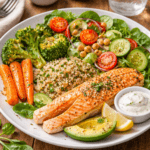
- Animal proteins — eggs, fish, chicken, and lean meats provide a complete amino acid profile with high biological value; the most efficient food-based route to protein for muscle recovery
- Dairy — paneer, curd, Greek yogurt, and milk offer complete protein alongside calcium; particularly accessible in Indian vegetarian diets
- Plant proteins — lentils, dal, rajma, soy, tofu, peas, nuts, and seeds provide valuable protein alongside fibre and micronutrients; individual plant sources are often amino acid-incomplete — combining sources at the same meal closes the gap
- The common mistake — Indian meals are frequently carbohydrate-dominant with protein as an afterthought; reversing this ratio at breakfast and lunch makes the single largest practical difference to daily protein totals
When to Consider Protein Supplements for Muscle Recovery
Food-based protein is the foundation — but for many people in specific situations, it is genuinely insufficient.
- Post-surgical patients — appetite suppression, altered digestion, and elevated requirements make protein supplements for muscle recovery a clinical priority, not an optional add-on
- Elderly adults — reduced appetite, dental challenges, and lower food volumes mean even motivated older adults consistently fall short of the 1.0–1.2g/kg target
- Vegetarians with limited variety — relying on dal and rice alone rarely delivers the leucine concentration needed to trigger effective muscle protein synthesis
- Recovering from illness — during and after infection, the body’s protein demands spike precisely when food intake is lowest; protein supplements for muscle recovery bridge this critical gap
- Busy professionals — irregular meal timing and low-protein convenience foods create consistent daily deficits that accumulate into meaningful muscle loss over months and years
What to Look for in a Protein Supplement
Not all supplements are clinically equivalent — and choosing the wrong one wastes the investment.
- High biological value protein — whey, egg, or a well-designed plant blend with complete amino acid profile
- Leucine content — the amino acid most directly responsible for triggering muscle protein synthesis; critical for effective protein supplements for muscle recovery
- Low sugar formulation — particularly important for diabetics, elderly adults, and metabolically at-risk individuals
- Clean ingredient list — avoid excessive fillers, artificial sweeteners, and undisclosed additives
- Clinical additions — formulations that combine protein with myHMB, CoQ10, or curcuminoids provide broader recovery support beyond basic amino acid delivery
FAQs
Post-surgical patients, elderly adults, vegetarians with incomplete protein intake, people recovering from illness, and anyone consistently unable to meet daily protein targets through food alone.
1.0–1.2g/kg for healthy adults over 50; up to 1.5g/kg during active recovery from surgery or illness.
Yes, when formulated cleanly and used within recommended dosages. Consult your physician if managing kidney disease or other metabolic conditions.
With careful food combining and consistent effort, yes. In practice, most vegetarians benefit from targeted protein supplements for muscle recovery to reliably hit daily leucine and total protein targets.
No. Protein supplements for muscle recovery complement a balanced diet — they do not substitute for vegetables, healthy fats, fibre, and micronutrients.